Hakone ryokan meal plans: dinner and breakfast or room only?
Dinner can be a memorable part of a Hakone ryokan evening: you finish sightseeing, take a bath and settle in for a meal. But a hotel with a restaurant does not automatically include dinner in your rate. Choose the meal plan with the same care as the room.
A dinner-and-breakfast plan can suit a stay where the hotel evening is a priority. You have a reason to stop sightseeing and return, and you can consider the room and meals together. The tradeoff is less freedom over your arrival and evening schedule. Read the plan's meal description instead of inferring it from hotel photos.
Breakfast-only or room-only can be useful if you want to choose your own dinner or expect a late arrival. These are categories to compare; availability varies by property and date, and current inventory has not been checked for this guide. First confirm that the hotel permits your intended check-in time and identify somewhere you can actually eat that evening. An outside meal requires its own opening-hours and reservation checks. Compare your expected whole-trip spending, rather than only the difference between hotel rates.
Editorial planning advice.
Suimeisou: set meals and an earlier arrival
Suimeisou describes set menus for dinner and breakfast. Its FAQ requests check-in by around 18:00 for dinner, with the latest dinner start at 19:00. It says dinner cannot be served after 19:30 and a missed meal is not refunded. Confirm your selected plan's conditions before relying on a late arrival.
Guests in open-air-bath rooms dine in a private banquet room, according to the FAQ. If dining in your guest room matters, ask about the exact room and plan. The hotel says menus vary for stays of up to three nights.
Ten-yu: check whether your dinner is buffet or kaiseki
Ten-yu's dining page presents both kaiseki course dining and a premium dinner buffet. It also describes a buffet breakfast. Those are hotel dining options; they do not establish which meals, venue or dinner style a particular rate includes. Keep the plan name and its dinner wording while you compare.
If you want teppanyaki at Geihinkan, the hotel says advance dinner reservation and an upgrade are required. Ask how this works with your booking rather than assuming you can swap an included dinner on arrival. Likewise, verify any drinks inclusion in the selected plan instead of applying a restaurant promotion to every rate.
Susukinohara: compare the standard and upgraded menus
Susukinohara Ichinoyu's cuisine page describes dinner featuring beef shabu-shabu and simmered kinmedai fish, with a Japanese-style breakfast. It also shows upgraded plans and additional dishes. Use that page to understand the dining offer, then read the meal inclusion of the rate available for your dates.
The property publishes a different second-night dinner and warns that ingredients and menus may change. If a particular dish is the reason you are booking, confirm it for your dates. The page asks guests wanting its vegetarian menu to request it when booking; confirm ingredients and preparation if you have more specific requirements.
Send the hotel your actual requirements, including ingredients you cannot eat and any concerns about shared preparation. Ask for a clear answer for the intended meal plan. Suimeisou requests at least three days' notice for dietary requests and says it cannot omit bonito broth, mirin and soy sauce. Advance notice does not guarantee accommodation.
Confirm dinner and breakfast times with the property if you will arrive late or leave early. Apply each hotel's answer to that hotel and booking. Suimeisou's stated dinner deadline does not establish a deadline at Ten-yu or Susukinohara.
Open the hotel links below, enter the same dates and guest ages, and find the exact room you want. Then compare the available meal plans, total payable amount and cancellation deadlines. Check the hotel's own offer too. If dinner wording is unclear, obtain the answer before choosing a prepaid or otherwise restrictive rate.
Save the confirmed room, meal inclusion and arrival instructions with your reservation. This guide uses official information and does not describe a personal stay. Menus, services and plans can change. Labelled affiliate booking links may earn Onsen Route a commission.
Editorial planning advice.
Choose the stay and the exact rate
Labelled affiliate links may earn us a commission. Compare the same room, guests, meals and cancellation deadline on Expedia and the hotel’s own site. Availability and prices are not live on this page.
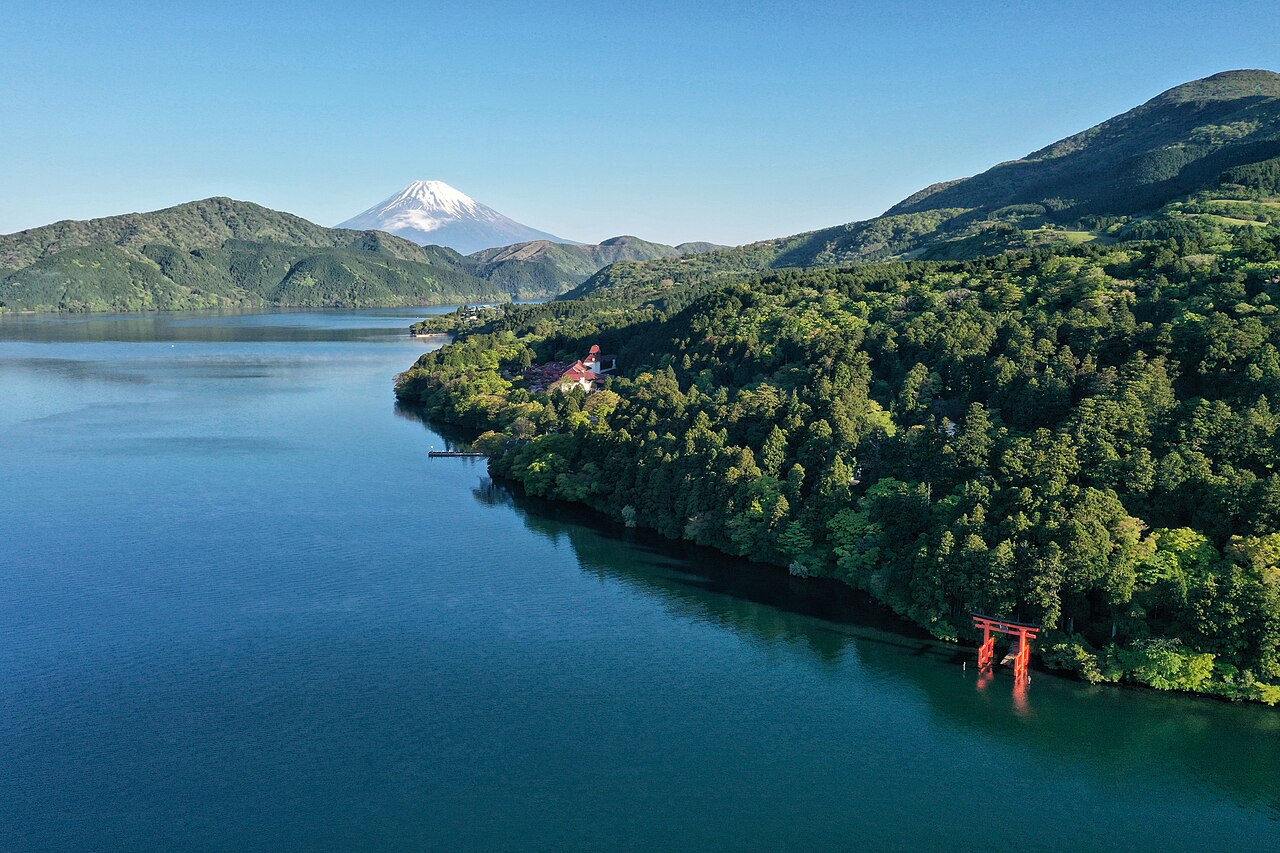
Lake Ashi · Hakone destination scenery, not this hotel or its room view. Photo credit
Arrive in Hakone-Yumoto and keep the final leg simple: Suimeisou is about a two-minute walk from the station. Its rooms face the Haya River. Choose a Japanese-style or Japanese-Western-style room with an open-air bath for your own balcony hot spring.
Good fit for: A short break with a straightforward station arrival.
Japanese-style or Japanese-Western-style Room with Open-air Bath.
About 2 minutes on foot from Hakone-Yumoto Station.
Standard rooms have a regular bath, not an in-room hot spring. Choose the exact open-air-bath category.
Ten-yu puts an open-air onsen in every guest room. Its room options look towards the mountains or forest valley, making it worth leaving time for the hotel itself. Choose your room and view, then plan the shuttle from Gora around the evening you want.
Good fit for: A stay centred on the room and its open-air onsen.
All guest rooms have a private open-air onsen bath.
Train to Gora, then the hotel shuttle; public-bus alternatives are listed by the hotel.
Check the current shuttle schedule. Hakone Freepass coverage differs between bus operators.
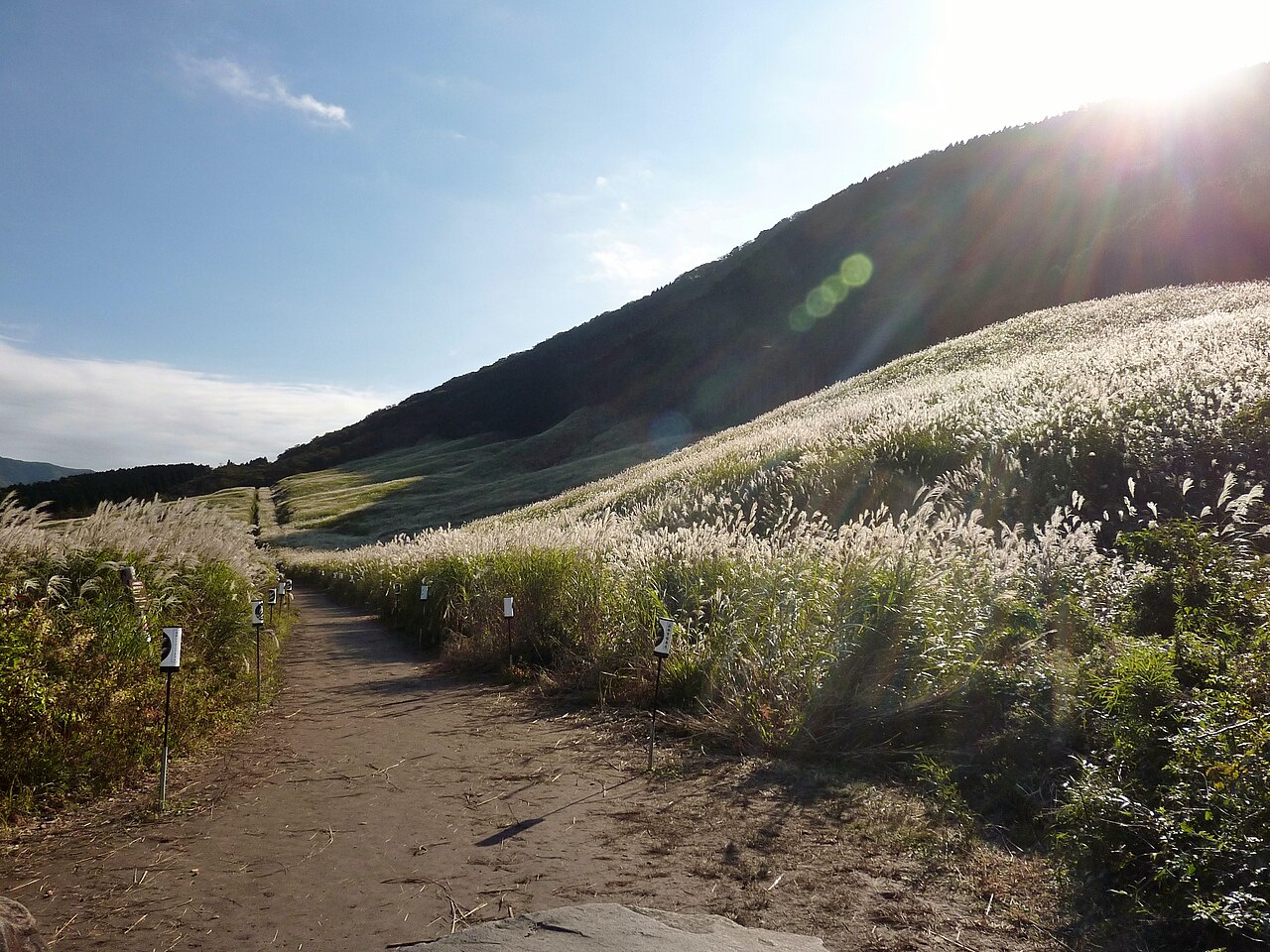
Make Sengokuhara your base if the grassland is part of your Hakone plans. Susukinohara Ichinoyu has an open-air bath in every guest room. Leave time after sightseeing to enjoy the room; compare the building, meal plan and bus arrival before choosing.
Good fit for: Travellers who want a Sengokuhara base and an in-room bath.
All guest rooms have an open-air bath.
Bus from Hakone-Yumoto toward Togendai; get off at Daigatake, then walk about 1 minute.
The hotel estimates the bus journey at about 30 minutes. Traffic and your arrival time can change this.
Independent research from official information, without a personal stay. Services, menus and plans can change; check the property and the selected offer before paying.
Hakone ryokan meal plans: dinner and breakfast or room only? | Onsen Route